Murder Mystery Games for Small Groups (2, 3, or 4 Players)
Published June 10, 2026 · 2 min read
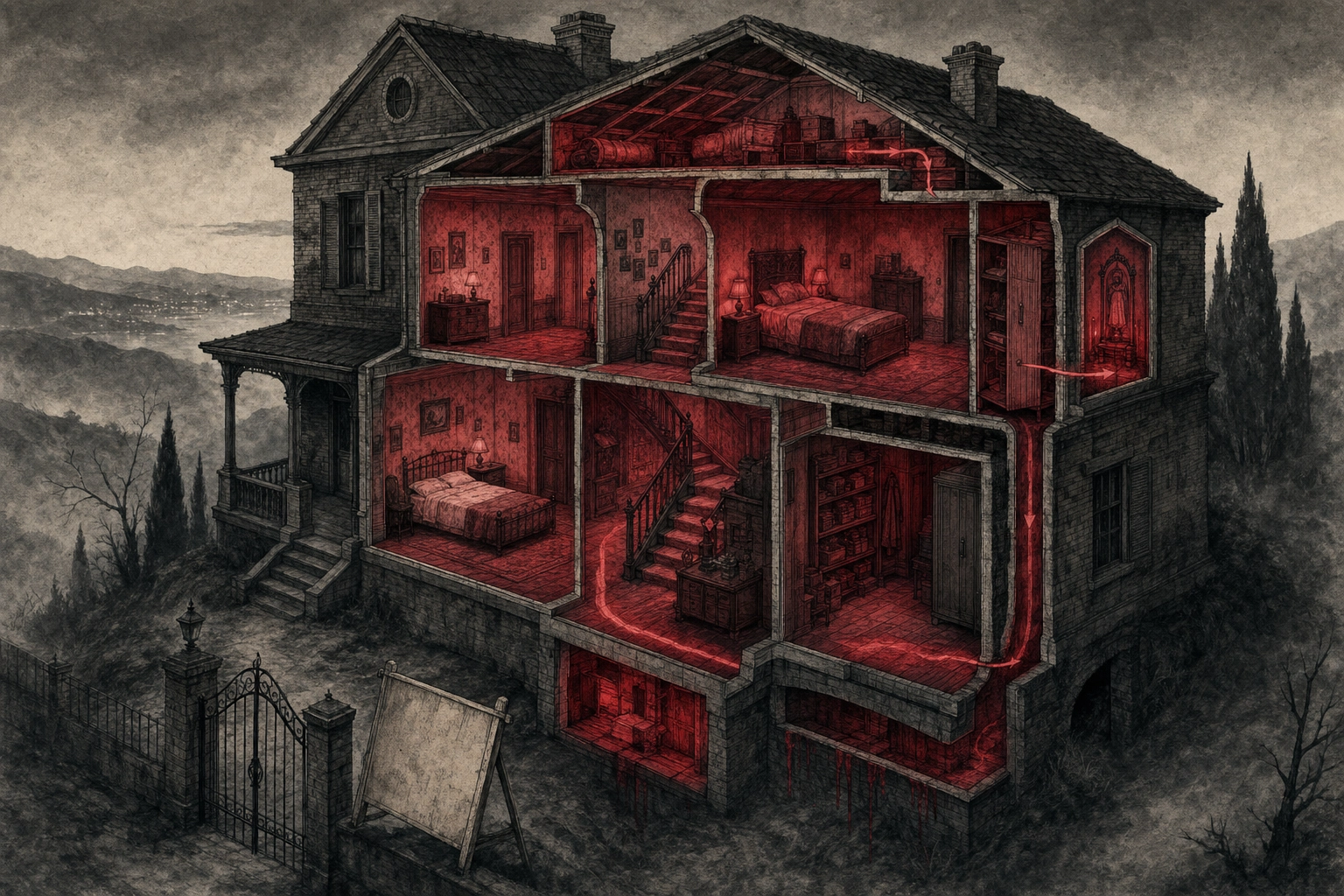
Most boxed murder mystery kits assume you have 6, 8, or 10 players. But what if it's just you and your partner, or three friends on a quiet evening? Good news: some of the best mystery experiences are built for small groups — or even one person. Here's how to play with a small crew.
The problem with traditional kits for small groups
Classic murder mystery party kits hand each guest a character. With only two or three people, that falls apart: there aren't enough suspects to interrogate, and someone usually has to play the victim or the killer knowingly, which spoils the fun.
So for small groups, you generally want one of two formats instead:
- A shared investigation — everyone plays detective together against a case run by a game (not by each other).
- A co-op deduction game — you pool clues and solve as a team.
Both keep the mystery intact no matter how few of you there are.
Best for 2 players (and couples)
A shared AI murder mystery is ideal for two. You sit side by side (or share a screen), interrogate the suspects together, debate theories, and make the accusation as a team. There's no awkward role-play, no one has to "be" the killer, and it works just as well for a couple on date night as for two friends.
Try it free:
- The Womb House — puzzle-heavy, perfect for two people who like to theorize.
Looking for a couples activity specifically? See our guide to a murder mystery date night.
Best for 3–4 players
With three or four, you have a proper detective team. Two great approaches:
- One screen, shared sleuthing. Run an AI case on a laptop or TV. Everyone calls out questions to ask the suspects and rooms to search. The debate over who's guilty is where the fun lives.
- Race mode. Everyone plays the same case separately, then meets to compare verdicts and see who cracked it. Lightly competitive and very replayable.
Our harder cases shine with a group, because there's more to argue about:
- Snowbound Pursuit — parallel crimes and clashing timelines give small groups plenty to debate.
A simple small-group format (works for 2–4)
- Pick a case and open it on one screen.
- Take turns asking the suspects questions — one person types, everyone contributes.
- Search each room together and talk through what the evidence means.
- When you disagree about the killer, that's the game — argue it out.
- Vote, submit your accusation, and find out together.
Why small groups actually have an advantage
Big murder mystery parties can get chaotic — side conversations, players who check out, clues that get lost. A small group stays focused. Everyone hears every clue, everyone's theory gets heard, and the final reveal lands for the whole room at once.
You don't need a crowd to enjoy a great mystery. Grab one or two friends (or just your partner), pick a case, and see if your small team can outsmart the killer. New to it? Start with our beginner's guide to playing.