Clue Investigation
Guide to searching rooms, extracting clues, and organizing a detective timeline in Missing Witness. Evidence boards for solo online mystery games.
June 6, 2026
Rooms Are Not Cosmetic
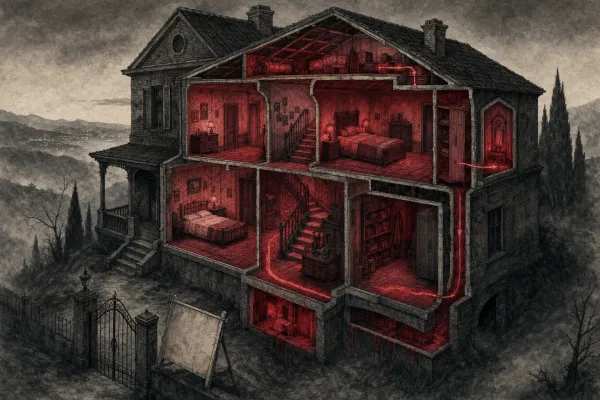
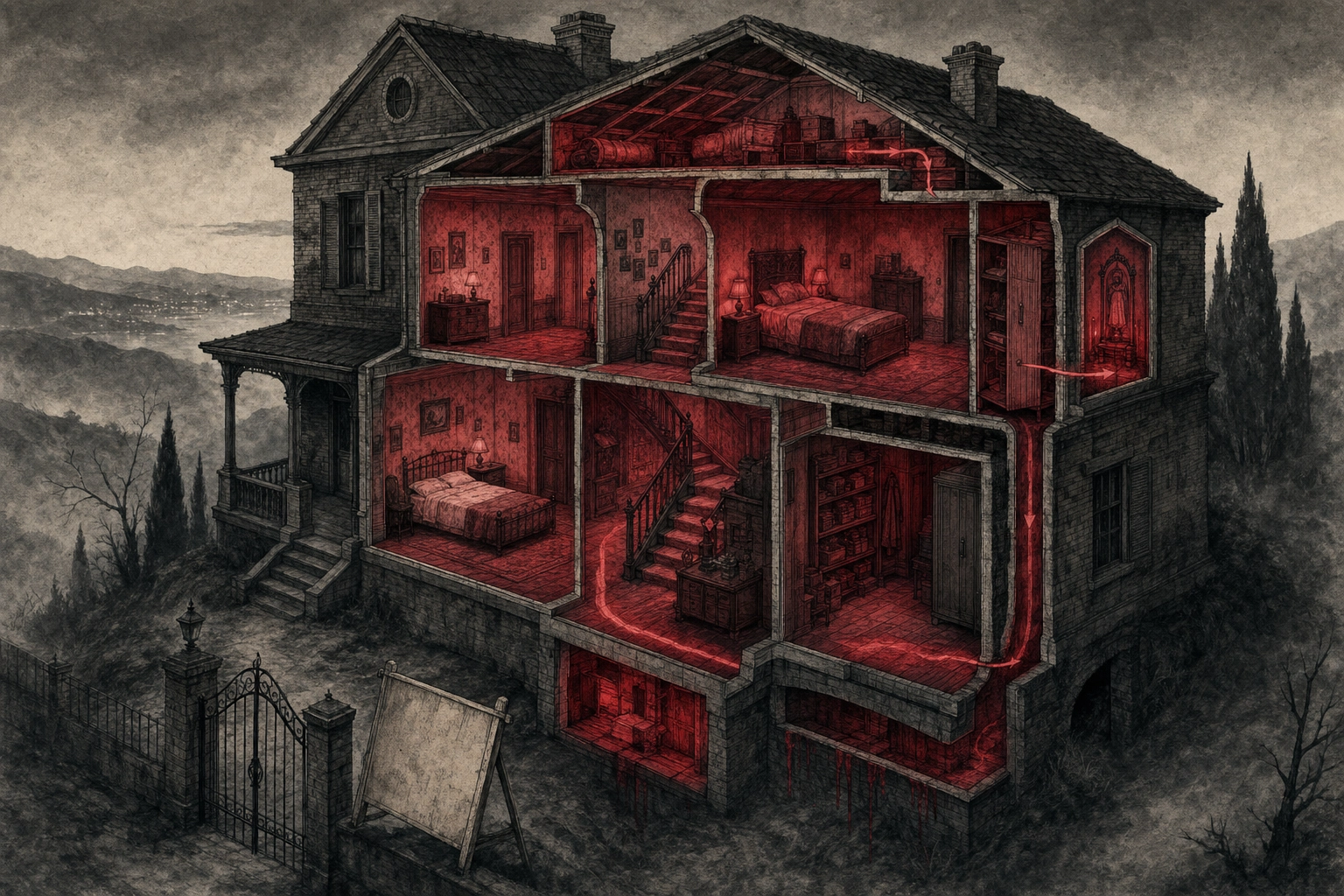
Each searchable location is authored with discoverable facts. Clicking a room triggers clue extraction tied to that scene — not random flavor text. Prioritize rooms named in testimony before you exhaust the map; suspects often mention places they fear you will visit.
Organize Clues Is Your Detective Wall
The Organize Clues action merges recent dialogue with evidence already found. Think of it as pinning index cards on a cork board: times on the left, contradictions circled in red. Run it after every major interview block, not only at the end.
Timeline Before Theory
List events in order: last sighting, heard sounds, discovered body, missing objects. Untimed fragments matter too — they often hide motive or access. Cases like manor poisonings and architectural secrets frequently hinge on whether two events can coexist.
Re-Search After New Names
If a suspect mentions a servant, cousin, or hidden passage you did not know at hour one, revisit earlier rooms mentally and in chat. Ask the judge-facing investigation panel again only where the UI allows new searches; combine that with directed questions about the new name.
Common Player Mistakes
Mistake one: hoarding twenty chat messages before organizing — you will forget who said what. Mistake two: treating Organize Clues as spoiler magic; it only structures material you already earned. Mistake three: ignoring small physical details (smell, watch stopped, temperature) that boxed mysteries use as fair-play clues.